

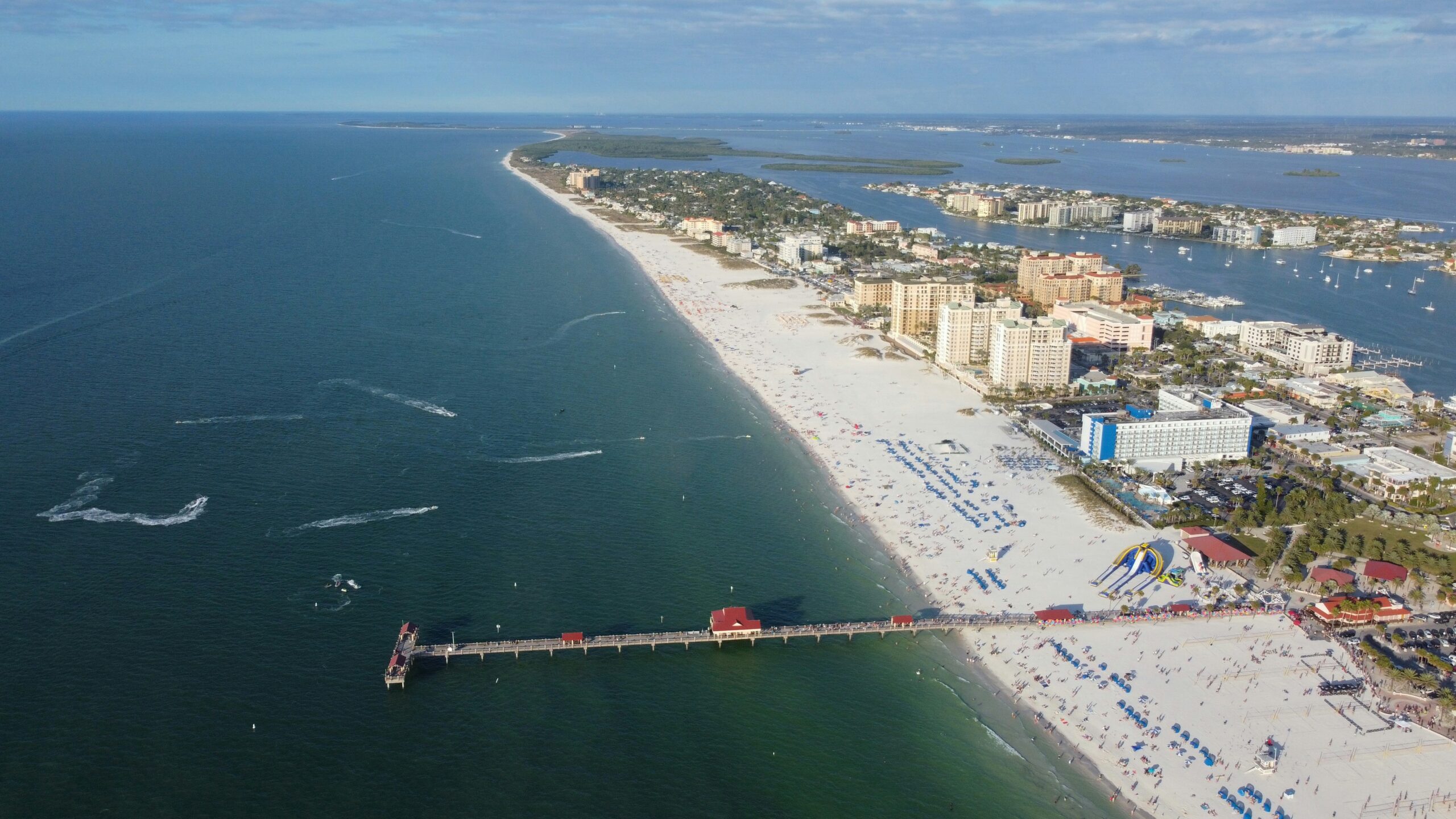
Is Your Property Rent Ready?
Short-term rental rules change block to block across Pinellas County. Send us your property and we’ll tell you what it can legally do, what it could earn, and how to get it earning, all for free.
Tap Your Area to See the Rules
Short-term rental rules change from one beach town to the next. Tap any area on the map for its rental status, minimum stay, and the quick take.
Boundaries are the official Pinellas County GIS municipal limits; the color tiers are general guidance, not legal advice. Rules vary block by block and change often, so always confirm with the city or county. Clearwater Beach sits inside the City of Clearwater boundary; nightly rentals are allowed only in its tourist-zoned districts (tap the green beach marker), while residential Clearwater Beach has a 31-day minimum (one full calendar month). Drag to pan and use + / − to zoom. Last reviewed June 2026. Get a free property check and we’ll confirm exactly what your address can do.
Send Us Your Property. We’ll Do the Homework.
Before you count on rental income, let our local team confirm exactly what your property can do. Share your address and we’ll come back with a clear, no-pressure read on all four of these.
STR Legality
Your zoning, minimum-stay rules, licensing path, and whether nightly rentals are allowed.
Earning Potential
A realistic income projection based on what comparable homes in your area actually earn.
Insurance & Flood
Flood zone, insurance considerations, and the coverage a rental in your area needs.
Rent-Ready Gaps
What it takes to get your home guest-ready and live across Airbnb, Vrbo, and our direct site.
Direct response from our local Clearwater team. No obligation, no pushy sales sequence.
From Question Mark to Rent Ready in Three Steps
Send your property
Share your address and a few details. It takes two minutes and costs nothing.
Get your read
We confirm the local STR rules, a realistic income projection, and what your home needs.
Go live, hands-off
If it’s a fit, we handle licensing, setup, listings, and day-to-day management for you.
Short-Term Rental Rules, Area by Area
The same waterfront home can be a nightly rental in one beach town and a 31-day-minimum rental two miles up the road. Here is the high-level posture for every Pinellas jurisdiction, grouped from most rental-friendly to most restricted.
| Area | STR Status | Minimum Stay | The Quick Take |
|---|---|---|---|
| Clearwater Beach & Sand Key | Nightly-friendly | Nightly (tourist) / 31-night (residential) | Nightly rentals are allowed only in Clearwater Beach’s tourist-zoned districts (where most of our beach homes operate), with city licensing and a safety inspection. Residential (non-tourist) Clearwater Beach requires a 31-day minimum, or one full calendar month, the same as the mainland. |
| Indian Rocks Beach | Nightly-friendly | Nightly | One of the most rental-friendly beach towns. Nightly allowed with city registration and a safety inspection. |
| Indian Shores | Nightly-friendly | Nightly* | Nightly generally allowed under the town’s own ordinance with registration. Confirm current rules before relying on them. |
| Madeira Beach | Nightly-friendly | Nightly* | Nightly allowed in most districts with registration. Specific zoning and density rules vary by block. |
| Treasure Island | Nightly-friendly | Nightly* | No minimum stay in the tourist districts; some residential zones cap how many guest turnovers are allowed per year. HOA rules also apply. |
| St. Pete Beach | Nightly-friendly | Nightly* | Nightly allowed in most districts with registration; zoning and density rules vary by block. |
| Unincorporated Pinellas County | Permit required | Nightly | Nightly is allowed, but the County requires an annual Certificate of Use, a passed safety inspection, and compliance with occupancy, parking, and quiet-hour rules. See the Certificate of Use details below. |
| Clearwater (mainland) | Minimum-stay | 31 nights | Mainland Clearwater has a 31-day minimum (one full calendar month). Nightly rentals are allowed only in the Clearwater Beach tourist-zoned districts (tap the beach marker); residential Clearwater Beach carries the same 31-day minimum. Some condo/HOA buildings allow shorter stays. |
| St. Petersburg | Minimum-stay | 30 nights | 30-day minimum, or a maximum of three short rentals per year per home, with a per-block density cap. |
| Dunedin | Minimum-stay | 90 nights | 90-day minimum in residential zones. Better suited to seasonal or annual rentals. |
| Largo | Minimum-stay | Varies | Largo restricts nightly rentals in residential zoning; a longer minimum stay generally applies. Confirm the current ordinance with the city. |
| Pinellas Park | Minimum-stay | Varies | Mainland residential zoning generally restricts nightly rentals or requires a longer minimum stay. Confirm with the city. |
| Seminole | Minimum-stay | Varies | Mainland residential zoning generally restricts nightly rentals or requires a longer minimum stay. Confirm with the city. |
| Gulfport | Minimum-stay | Varies | Mainland residential zoning generally restricts nightly rentals or requires a longer minimum stay. Confirm with the city. |
| Safety Harbor | Minimum-stay | Varies | Mainland residential zoning generally restricts nightly rentals or requires a longer minimum stay. Confirm with the city. |
| Oldsmar | Minimum-stay | Varies | Mainland residential zoning generally restricts nightly rentals or requires a longer minimum stay. Confirm with the city. |
| Tarpon Springs | Minimum-stay | Varies | Rules vary by zoning district; some areas allow shorter stays while most residential zones require a longer minimum. Confirm with the city. |
| South Pasadena | Minimum-stay | Varies | Mainland residential zoning generally restricts nightly rentals or requires a longer minimum stay. Confirm with the city. |
| Kenneth City | Minimum-stay | Varies | Mainland residential zoning generally restricts nightly rentals or requires a longer minimum stay. Confirm with the city. |
| Belleair | Minimum-stay | Varies | A residential town that restricts nightly rentals; a longer minimum stay generally applies. Confirm with the town. |
| Belleair Bluffs | Minimum-stay | Varies | Mainland residential zoning generally restricts nightly rentals or requires a longer minimum stay. Confirm with the city. |
| Belleair Beach | Restricted | Limited | Short-term rentals are tightly limited in residential areas. Verify carefully before counting on nightly income. |
| Redington Beach / Shores / N. Redington | Restricted | Limited | The three Redington towns tightly limit transient rentals in residential areas. Verify carefully before relying on nightly income. |
| Belleair Shore | Restricted | Prohibited | Belleair Shore is a residential-only town that prohibits short-term rentals outright. |
Heads up: This overview is general guidance only, it is not legal advice, and STR rules change often. An asterisk (*) marks areas where zoning, HOA documents, or guest-turnover limits vary block by block. Always confirm current requirements with the specific city or county before relying on them. Last reviewed June 2026 · Not sure which applies to your property? Get a free property check and we’ll confirm it for you.
Unincorporated Pinellas Has Its Own Certificate of Use
A large share of Pinellas addresses sit on unincorporated county land (shown in blue on the map), not inside any city. Nightly rentals are allowed there, but before you can host a single guest the County requires a Certificate of Use. Here is what that involves.
A Certificate of Use applies to any home rented for stays under 30 days more than three times a year. Applications run through the County's online portal, renewals are annual, and operating without one can carry daily fines, so it pays to get ahead of it. Figures are the Certificate of Use fees currently published by Pinellas County and are subject to change.
A Compliant Rental Has a Lot of Moving Parts
Operating a short-term rental in Florida means juggling state, county, and city requirements. Here is the short version of what a legal rental involves.
- State license. A Florida DBPR vacation rental license is required to rent for stays under 30 days.
- Taxes. Roughly 12–13% in combined state sales tax and Pinellas Tourist Development Tax, collected and remitted on every booking.
- City or county registration. A local STR license, business tax receipt, or County Certificate of Use, depending on where the home sits.
- Safety inspection. Most jurisdictions require a life-safety inspection before you can rent, with periodic re-inspections.
- The right insurance. A standard homeowners policy excludes short-term rental use; a $1M+ liability layer is the norm.
- License number in every listing. Your license must appear on Airbnb, Vrbo, Booking.com, and more.
The good news: when you partner with us, we handle all of it for you, from licensing and inspections to taxes and insurance guidance, so you never have to track a renewal date again.
The Licenses, Taxes, and Costs to Budget For
Local zoning is only the first layer. Every legal Florida short-term rental also carries state and county obligations. Here is the framework, with typical costs.
| Layer | What It Is | Typical Cost | Renewal |
|---|---|---|---|
| Florida DBPR Vacation Rental License | State license to rent for stays under 30 days more than three times a year. | Varies by number of units | Every 2 years |
| Florida Sales Tax (Dept. of Revenue) | Collect 7% (6% state plus 1% Pinellas surtax) on every booking under six months. | Free to register | Ongoing remittance |
| Pinellas Tourist Development Tax | Collect the 6% county tourist tax and remit it monthly. | Free to register | Ongoing remittance |
| City Business Tax Receipt / Registration | A local business license or short-term rental registration, where the city requires one. | Varies by city | Usually annual |
| Unincorporated County Certificate of Use | Required for unincorporated addresses, with a passed safety inspection. | $450 plus $150 inspection | Annual ($100 re-inspect every 2 yrs) |
| $1M Liability Insurance | A short-term rental policy or endorsement; a standard homeowners policy excludes rental use. | Varies by home | Annual |
Costs are general ranges for planning only and change over time. We confirm the exact licenses, fees, and tax accounts your specific address needs as part of onboarding.
Operating Rules That Apply Almost Everywhere
Once a home is licensed, most Pinellas jurisdictions share a similar set of day-to-day rules. These are the ones that trip owners up most often.
Occupancy caps
Commonly two guests per bedroom plus two more, with an overall cap (10 in the unincorporated county). Advertised sleeping capacity has to match.
Off-street parking
Typically one space per three guests, rounded up. Parking on the front lawn does not count and draws citations.
Quiet hours
Overnight quiet hours (10pm to 9am in the unincorporated county) with noise limits, enforced through code complaints.
Insurance
A short-term rental policy with around $1M in liability. A standard homeowners policy will not cover paid guests.
Responsible party
A local contact who can respond quickly to issues, with their name and number posted inside the home.
License number in listings
Your license or certificate number has to appear on Airbnb, Vrbo, Booking.com, and any other platform.
We handle all of this for you, from inspections and posted notices to insurance guidance and platform compliance, so your home stays in good standing.
The Most Common (and Avoidable) Violations
Nearly every enforcement case comes down to the same short list, and all of them are avoidable with the right setup.
- Operating without a license or Certificate of Use. The fastest route to daily fines and a possible shutdown.
- Exceeding the occupancy cap. Over-advertising sleeping capacity is one of the most cited issues.
- Front-lawn or overflow parking. A frequent neighbor complaint that leads to citations.
- Missing license number in a listing. Platforms can remove the listing and the city can fine the owner.
- Late or missed tax remittance. Tourist and sales tax carry penalties and interest when filed late.
- Skipping the safety inspection. No pass means no certificate, and re-inspection fees add up.
Penalties vary by jurisdiction and are set by each city or the County. This is general guidance, not legal advice.
Your Options When Nightly Rentals Are Off the Table
A minimum-stay rule does not mean your property cannot earn. It just changes the playbook. Here is how each outcome maps to a strategy.
| If the rule is... | The play | What to check |
|---|---|---|
| Nightly allowed | Full vacation rental on Airbnb and Vrbo. | Licensing, taxes, insurance, HOA, parking. |
| 30 to 31 day minimum | Furnished mid-term or snowbird rental. | Monthly demand, utilities, lease terms. |
| 90 day minimum | Seasonal rental or a longer-term hold. | Peak-season rate, vacancy, buyer pool. |
| HOA or town blocks rentals | Owner-use or resale-focused hold. | Resale value and personal-use fit. |
We will tell you honestly which of these fits your address, and run the numbers on the one that earns you the most.
Pinellas Short-Term Rentals, By the Numbers
What a Rent-Ready Home Can Earn
A few of the homes we manage in nightly-friendly beach districts, and what they brought in last year.
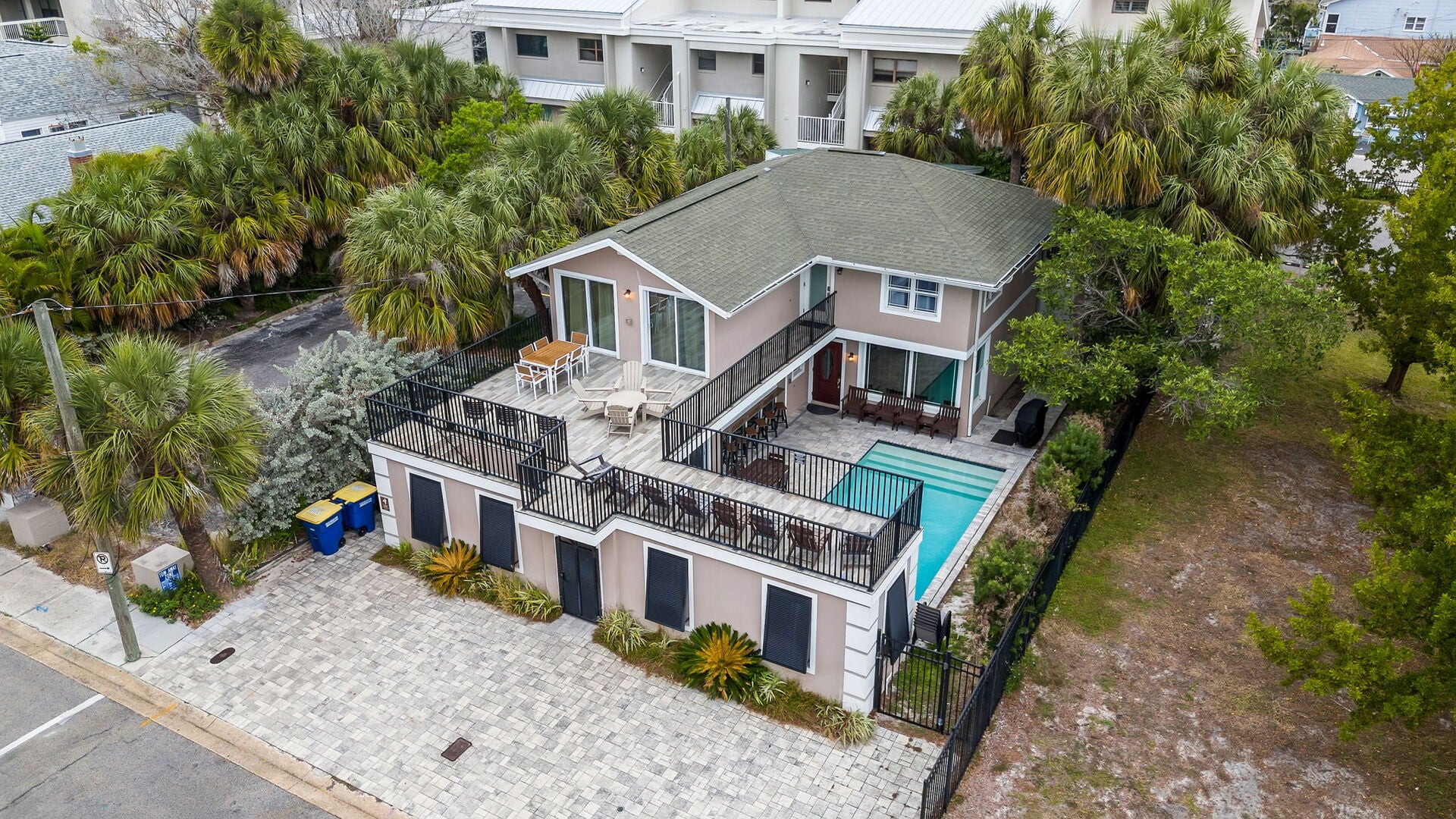
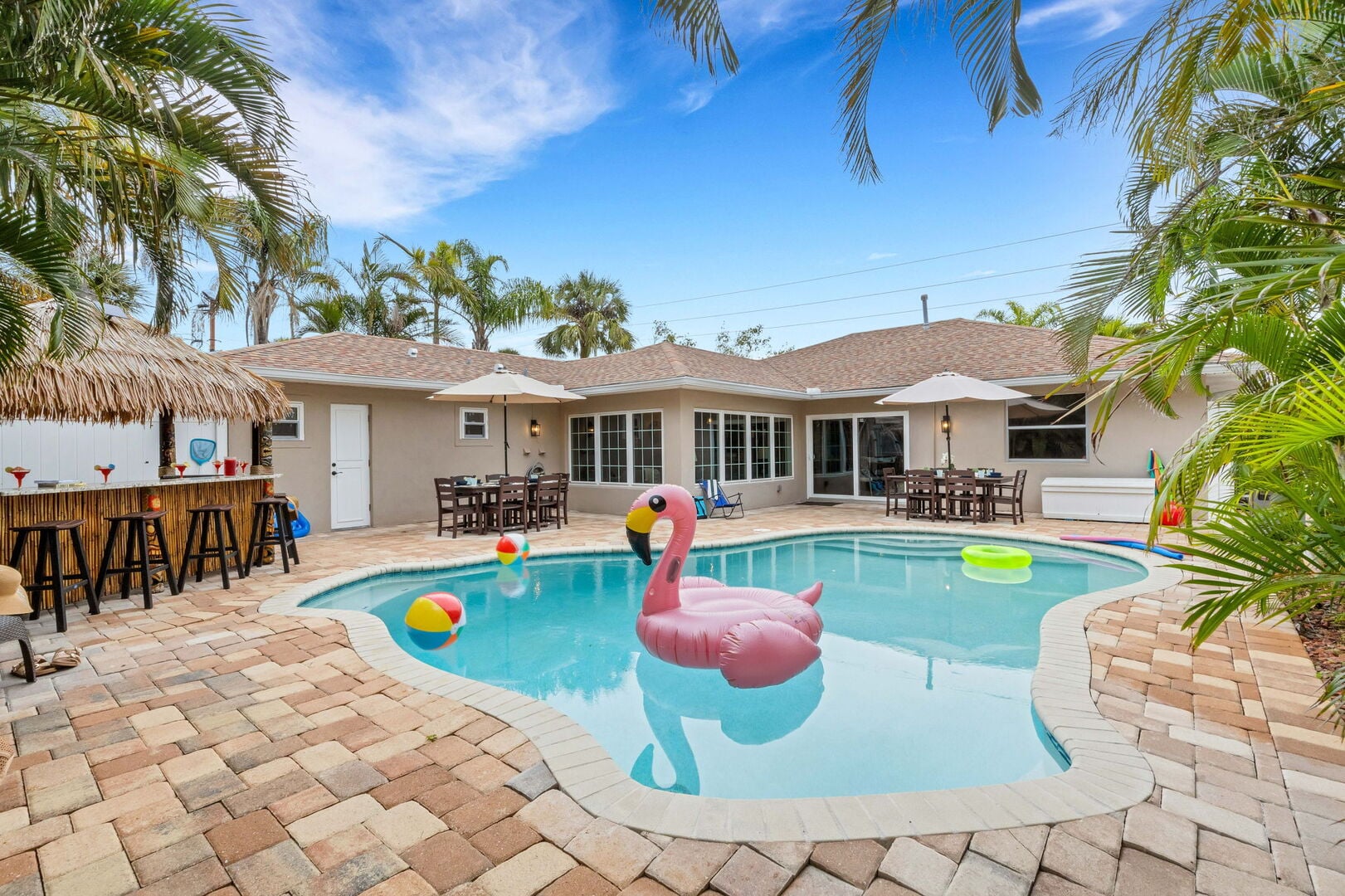
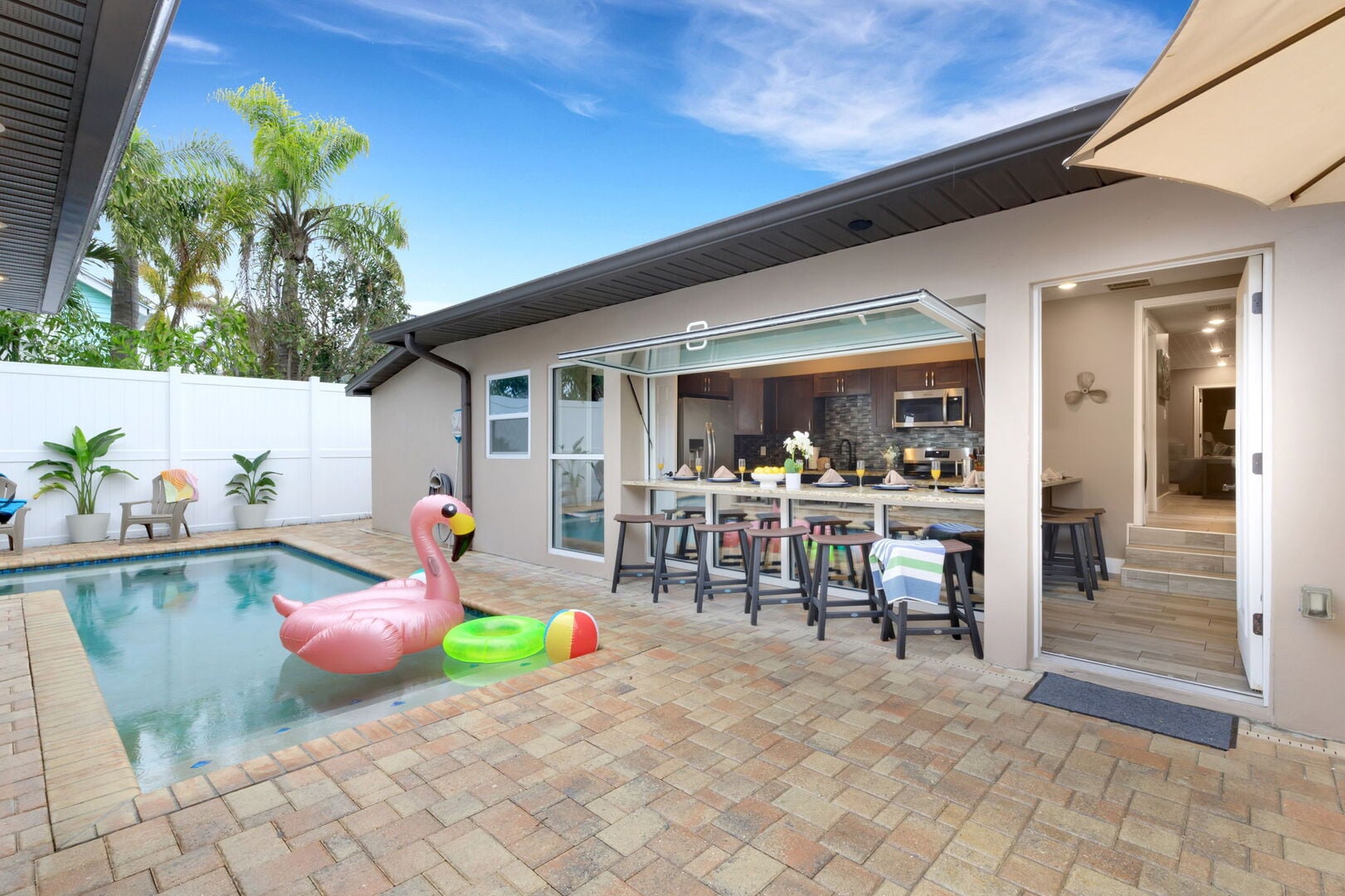
Figures are 2025 rental income (the nightly-rate revenue, before taxes and guest fees). Your home’s potential depends on its location, size, and the local rules, which is exactly what your free property check tells you.
Find Out What Your Property Can Do
It is free, it is local, and there is zero obligation. Send us your property and we’ll take it from there.
Get Your Free Property Check